
QRTick: Event Setup Checklist
⚡ Quick Start
In QRTick, all events are organized as a "Series" with one or more "Performances". Whether you're hosting a one-time event or a multi-day festival, the structure is the same: a single event is simply a series of one performance. This consistent approach makes it easy to understand and manage any type of event.
1. Series Setup Checklist
A "Series" is the overall event container that can contain one or more performances. Think of it as the umbrella for your event:
- Multi-performance series: "Summer Concert Series" with 5 different shows
- Single event (series of one): "Annual Charity Gala" with just one performance
Even for a one-time event, you'll create a series with just one performance. This consistent structure makes it easy to manage any type of event.
- Series Name: Create a clear, descriptive title for your overall event
- Series Description: Write a compelling description that explains your event's purpose, theme, and general information that applies to all performances
- Cover Image: Prepare a cover image with 6:5 ratio (e.g., 600 × 500 or 1200 × 1000 pixels) showing event name and date range
- Host Details: Include organization name and contact information
- Series Type: Decide if this is a multi-performance series or a single event (remember: single events are still series, just with one performance)
2. Performance Setup Checklist
"Performances" are individual occurrences within a series, each with its own date, time, and potentially unique details. For single events, you'll have just one performance, but the setup process is identical to multi-performance series.
Examples:
- Single event: "Annual Charity Gala" → 1 performance on March 15th
- Multi-performance: "Summer Concert Series" → 5 performances on different dates
- Date and Time: Set the exact date and start time for each performance
- Venue Details: Specify location, address, and any access instructions
- Performance Description (Optional): Add unique details specific to this date/time only
- Special Instructions: Note any performance-specific requirements (e.g., "Doors open 30 minutes early")
- Capacity: Set the maximum number of attendees (if applicable)
3. Ticket Setup Checklist
Decide whether your event needs a single ticket type ("General Admission") or multiple types (Early Bird, VIP, etc.).
- Ticket Type Names: Create clear, descriptive names for each ticket type (e.g., "General Admission", "VIP", "Early Bird")
- Ticket Descriptions: Explain what each ticket type includes and any special benefits
- Base Pricing: Set standard prices for each ticket type
- Performance-Specific Pricing: Decide if any performances need special pricing (e.g., higher prices for weekend shows)
- Availability Dates: Set when each ticket type goes on sale and when sales end
- Quantity Limits: Decide if any ticket types have limited availability
4. Registration Forms
If you want to collect additional information from attendees during the ticket purchase process, you'll need to specify what data you want to capture. This information will be collected as part of the checkout process.
- Required Information: Decide what information is mandatory for attendees to provide (e.g., full name, email, phone number)
- Optional Information: Determine what additional data you'd like to collect (e.g., dietary restrictions, emergency contact, company name)
- Custom Fields: Specify any unique fields specific to your event (e.g., "T-shirt size", "Workshop preference", "Accessibility needs")
- Data Format: Clarify the expected format for each field (e.g., phone number format, date format for birth date)
- Validation Rules: Note any specific validation requirements (e.g., minimum age, required fields for certain ticket types)
- Privacy Considerations: Ensure you're only collecting necessary information and have appropriate data handling policies
Here are some commonly requested fields for event registration:
- Contact Information: Full name, email address, phone number
- Demographics: Age, gender, location (city/state)
- Event-Specific: Dietary restrictions, accessibility needs, emergency contact
- Professional: Company name, job title, industry
- Preferences: Communication preferences, session interests, networking goals
5. Cover Image Requirements
Looking for inspiration? Browse real examples in the QRTick Event Cover Gallery.
- Required Ratio: 6:5 (width:height), such as 600 × 500 or 1200 × 1000 pixels. For mobile screens and fast loading, we don't need anything wider than 1200px - we automatically resample and optimize images for different screen sizes.
- Content: Include event name and dates only - keep it simple and focused. Generally we don't include location or sponsors in the cover image, but they may be included discreetly if necessary. Sometimes sponsors are very integrated into the design and the event itself, which is why we will tolerate them in the cover image.
- Design: Use clear, readable text with your event's brand colors or theme. Remember that this is a cover image, not a flyer - it doesn't need comprehensive information. Additional details like venue, event description, and ticket information will be displayed on the ticket landing page, so keep the cover image clean and focused
- File Format: JPG or PNG format, optimized for web
Example Cover Images:

This example shows a clean, focused cover image with just the essential information.
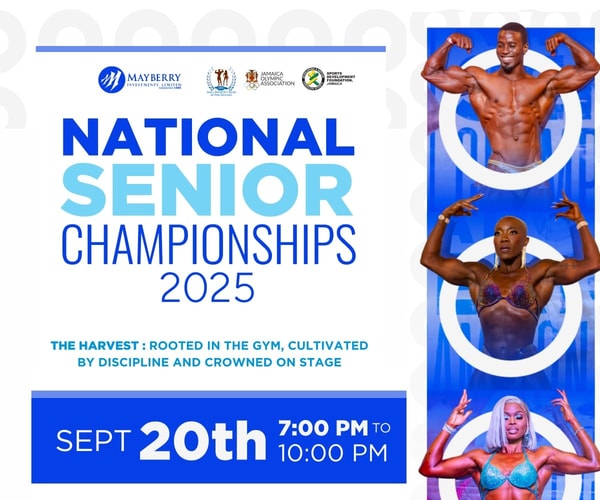
This example shows how sponsors and event slogans can be included discreetly when they're integrated into the design and event identity.
6. Pricing Examples
Here are pricing examples for both single events and multi-performance series:
Single Event Example: Annual Charity Gala
| Ticket Type | Price | Description |
|---|---|---|
| Early Bird | $75 | Includes dinner and silent auction access |
| General Admission | $100 | Includes dinner, silent auction, and live entertainment |
| VIP | $150 | Includes premium seating, welcome reception, and all benefits |
Multi-Performance Series Example: Summer Concert Series
| Ticket Type | Base Price | Friday Night | Saturday Night |
|---|---|---|---|
| Early Bird | $4,000 | $4,000 | $4,000 |
| General Admission | $5,000 | $5,000 | $5,500 |
| VIP | $7,500 | $7,500 | $8,000 |
- Consider your costs, target audience, and event value
- Research comparable events in your area
- Account for QRTick processing fees in your pricing
- Consider offering early bird discounts to drive early sales
Final Review Checklist
- Verify all series information is complete and accurate
- Confirm all performance dates, times, and locations
- Check that all ticket types have clear descriptions and pricing
- Ensure cover image meets size requirements and looks professional
- Preview how your event will appear to customers before publishing
7. Submit Your Event Information
Once you've gathered all the necessary information using the checklists above, send us an email with your event details. Here's a template you can use:
Email Template
- Initial Setup: Our team will configure your event based on the information you provided
- Preview Link: We'll share a link so you can preview exactly how your event will look to attendees
- Account Access: You'll receive login credentials to access your event dashboard
- Make Adjustments: You'll be able to modify or update details as needed
- Go Live: Once everything looks perfect, we'll make your event live for ticket sales
Ready to Start Selling Tickets?
Get started with QRTick and launch your event in just 5 business days!
Start Selling Tickets Now